
Tinnitus Singapore
- Treatment Options
If you are experiencing persistent symptoms of tinnitus—such as ringing, buzzing, humming, or pulsating sounds in your ears—you may be dealing with tinnitus. At Precise Hearing, we provide professional tinnitus management in Singapore, helping individuals understand their symptoms and explore appropriate treatment options to reduce the impact of tinnitus on daily life.
Tinnitus
Tinnitus can vary in intensity and cause, and may sometimes be associated with hearing loss or underlying medical conditions. In addition to the primary symptoms of tinnitus, many individuals experience associated symptoms such as anxiety, depression, sleep disturbances, or dizziness. Whether you are experiencing general tinnitus symptoms or specific forms such as pulsatile tinnitus, a structured hearing assessment can help identify possible contributing factors.
While there is currently no specific medication to completely cure tinnitus, professional tinnitus treatment and management strategies can help minimise discomfort, improve coping mechanisms, and enhance overall quality of life. Our approach focuses on accurate assessment, personalized guidance, and evidence-based care tailored to your individual needs.
Book a tinnitus consultation today and take the first step toward better hearing health. If your symptoms are severe or persistent, seek medical attention promptly.
What Is Tinnitus?
Tinnitus itself is not a disease but a symptom that may be linked to various underlying factors. Common causes include age related hearing loss, hearing loss, prolonged exposure to loud noise, earwax blockage, ear infection, ear injuries, stress, or certain medical conditions. Damage or abnormalities in the inner ear can alter nerve signals sent to the brain, leading to tinnitus. In some cases, tinnitus may occur temporarily, while for others it can become persistent and affect daily concentration, sleep, and overall well-being. Certain factors, such as exposure to loud noise or stress, can worsen tinnitus.
Types of Tinnitus
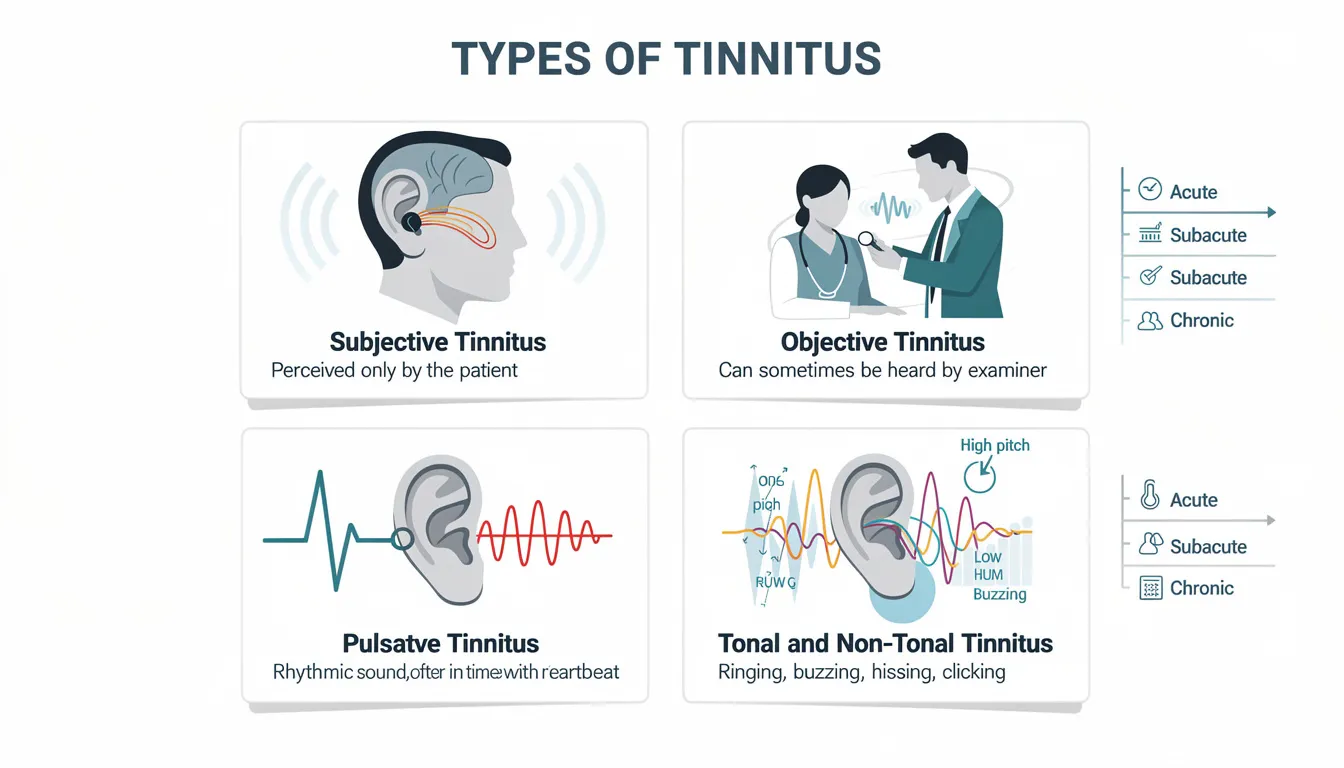
Tinnitus can present in different forms depending on the underlying cause and how the sound is perceived. Understanding the type of tinnitus you are experiencing helps guide appropriate tinnitus management and treatment strategies.
Tinnitus Management and Treatment Options in Singapore
Hearing Assessment and Diagnosis
A throat doctor (ENT specialist) will begin the assessment by taking a complete history and reviewing your medical history to understand any underlying conditions or medications that could contribute to tinnitus. A hearing test, such as an audiogram, is a crucial step in diagnosing tinnitus and helps determine if hearing loss is present and whether it may be contributing to tinnitus symptoms. When necessary, imaging tests—including magnetic resonance imaging—may be used to identify structural abnormalities or other underlying causes. This comprehensive approach ensures tinnitus is diagnosed accurately, allowing for more targeted tinnitus management planning.
Sound Therapy, Tinnitus Retraining Therapy, and Amplification
Tinnitus Retraining Therapy (TRT)
Tinnitus Retraining Therapy (TRT) is a specialised approach designed to help individuals manage persistent tinnitus symptoms, especially in cases of severe tinnitus. TRT combines two key elements: sound therapy and structured counseling. The aim is to help your brain gradually reclassify tinnitus from a bothersome noise to a neutral background sound, reducing its impact on your daily life.
During TRT, an ENT doctor or audiologist will work closely with you to develop a personalised plan. Sound therapy is delivered through devices such as hearing aids, table-top sound generators, or other sound delivery systems. These devices provide gentle, consistent background sounds that help mask or diminish the perception of tinnitus. Alongside sound therapy, counseling sessions guide you in understanding tinnitus and developing coping strategies, making the symptoms less intrusive over time.
TRT is particularly effective for those experiencing severe tinnitus, as it addresses both the auditory and emotional aspects of the condition. By retraining your response to tinnitus, TRT can significantly improve your comfort and quality of life.
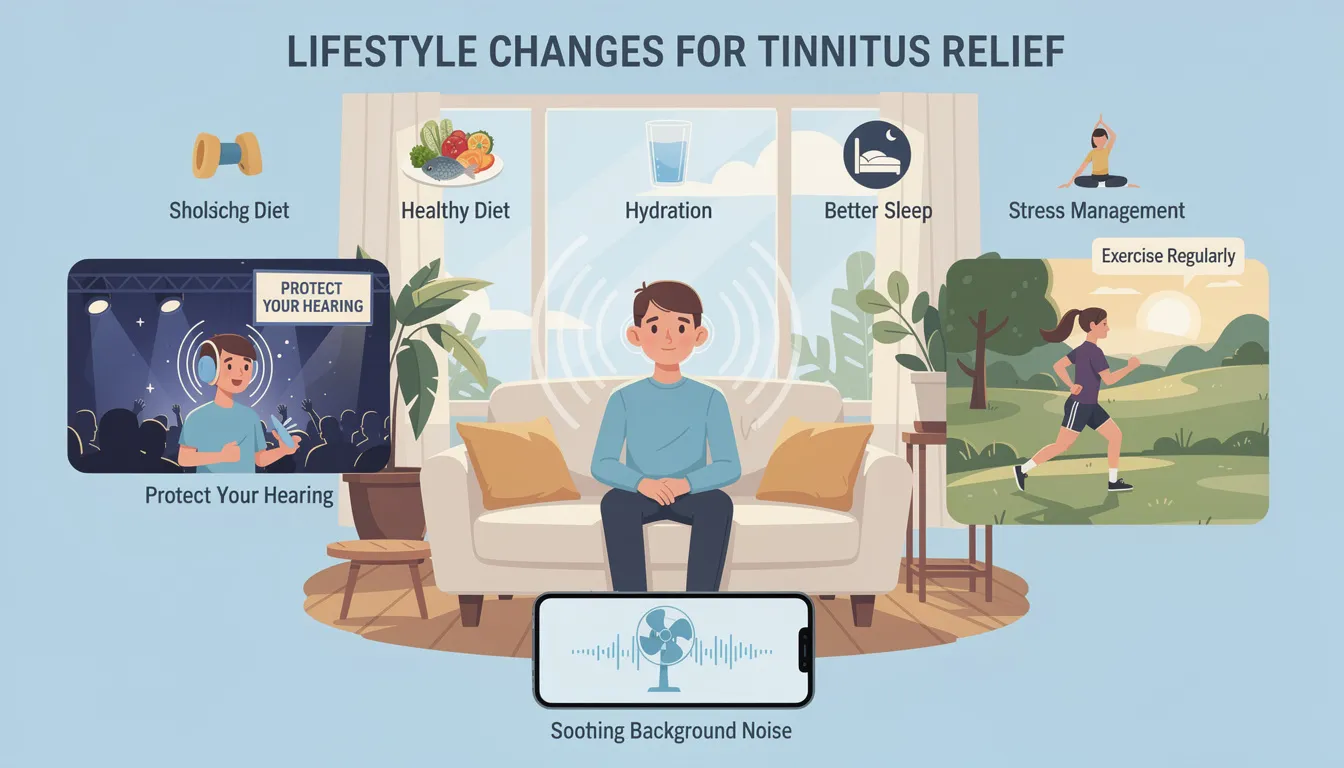
Lifestyle Changes for Tinnitus Relief
When Should You See a Tinnitus Specialist?
While tinnitus can sometimes be temporary, persistent or worsening symptoms should not be ignored. Seeking professional evaluation early can help identify underlying causes and guide appropriate tinnitus management in Singapore.
You should consider booking a tinnitus consultation if you experience:
Ringing, buzzing, humming, or clicking sounds that last more than a few days
Tinnitus that interferes with sleep, concentration, or daily activities
Sudden onset of tinnitus, especially in one ear
Tinnitus accompanied by hearing loss or ear fullness
Rhythmic or heartbeat-like sounds suggestive of pulsatile tinnitus
Increased anxiety or distress related to tinnitus symptoms
A structured hearing assessment allows us to evaluate your hearing health and determine whether hearing loss, noise exposure, or other factors may be contributing to your tinnitus.
In certain situations — particularly with sudden hearing changes or pulsatile tinnitus — further medical evaluation may be recommended to rule out underlying conditions. Early assessment helps ensure appropriate and timely management.
If tinnitus is affecting your quality of life, professional tinnitus treatment and management strategies can help reduce its impact and improve overall well-being.
Schedule a tinnitus consultation today to better understand your symptoms and explore appropriate next steps.
FAQs
Is tinnitus permanent?
Tinnitus can be temporary or persistent, depending on the underlying cause. In some cases, tinnitus improves over time, especially if it is linked to temporary factors such as noise exposure or earwax blockage. For chronic tinnitus, professional tinnitus management in Singapore can help reduce its impact and improve quality of life.
What causes tinnitus?
Tinnitus may be associated with hearing loss, prolonged exposure to loud noise, age-related auditory changes, ear infections, stress, or certain medical conditions. A comprehensive hearing assessment helps determine whether hearing loss or other factors are contributing to tinnitus symptoms.
Is there a cure for tinnitus?
Many people search for tinnitus cures and remedies, especially when symptoms first appear. Currently, there is no universal cure that eliminates tinnitus in all cases. However, structured tinnitus treatment and management strategies can help reduce the perception of tinnitus and improve coping ability.
What is pulsatile tinnitus?
Pulsatile tinnitus is a rhythmic sound that often follows the heartbeat. It may sound like a whooshing or pulsing noise in the ear. Because pulsatile tinnitus can sometimes be linked to vascular or circulatory factors, professional evaluation is recommended to determine whether further medical assessment is required.
Can hearing aids help with tinnitus?
For individuals with hearing loss, hearing aids may help reduce tinnitus perception by improving external sound input. Amplification and sound therapy approaches are commonly used as part of tinnitus management when appropriate.
When should I seek tinnitus treatment in Singapore?
You should consider seeking professional tinnitus treatment in Singapore if symptoms persist, worsen, affect sleep, cause distress, or occur alongside hearing loss. Early evaluation allows appropriate tinnitus management planning and reduces unnecessary anxiety.
Are home remedies effective for tinnitus?
Some individuals explore home remedies for tinnitus, but not all approaches are supported by clinical evidence. It is advisable to seek professional guidance before trying alternative treatments to ensure safety and appropriate management.