
Professional Hearing Test
- Singapore
At Precise Hearing, we offer comprehensive hearing examinations and audiometric testing designed to accurately assess your hearing ability and identify any signs of hearing loss. As an established audiometric testing centre, we conduct structured, non-invasive and painless assessments tailored to measure various aspects of hearing, including hearing thresholds and speech understanding. The results help determine your hearing health and guide appropriate next steps.
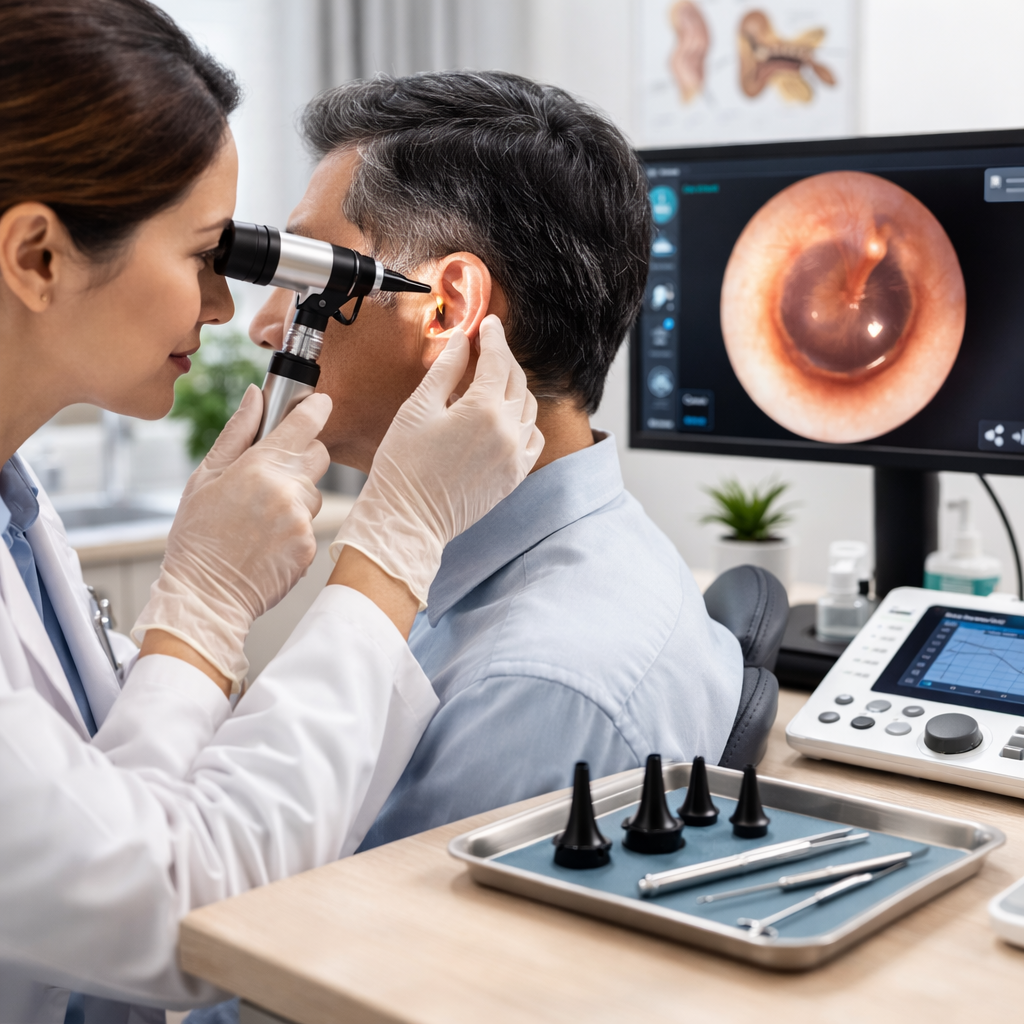
During your visit, our hearing care professionals will perform an otoscopic examination to check for common issues such as earwax blockage and other ear conditions that may affect your hearing.
Our hearing screening and hearing exam process is conducted by qualified hearing care professionals using recognised clinical methods.
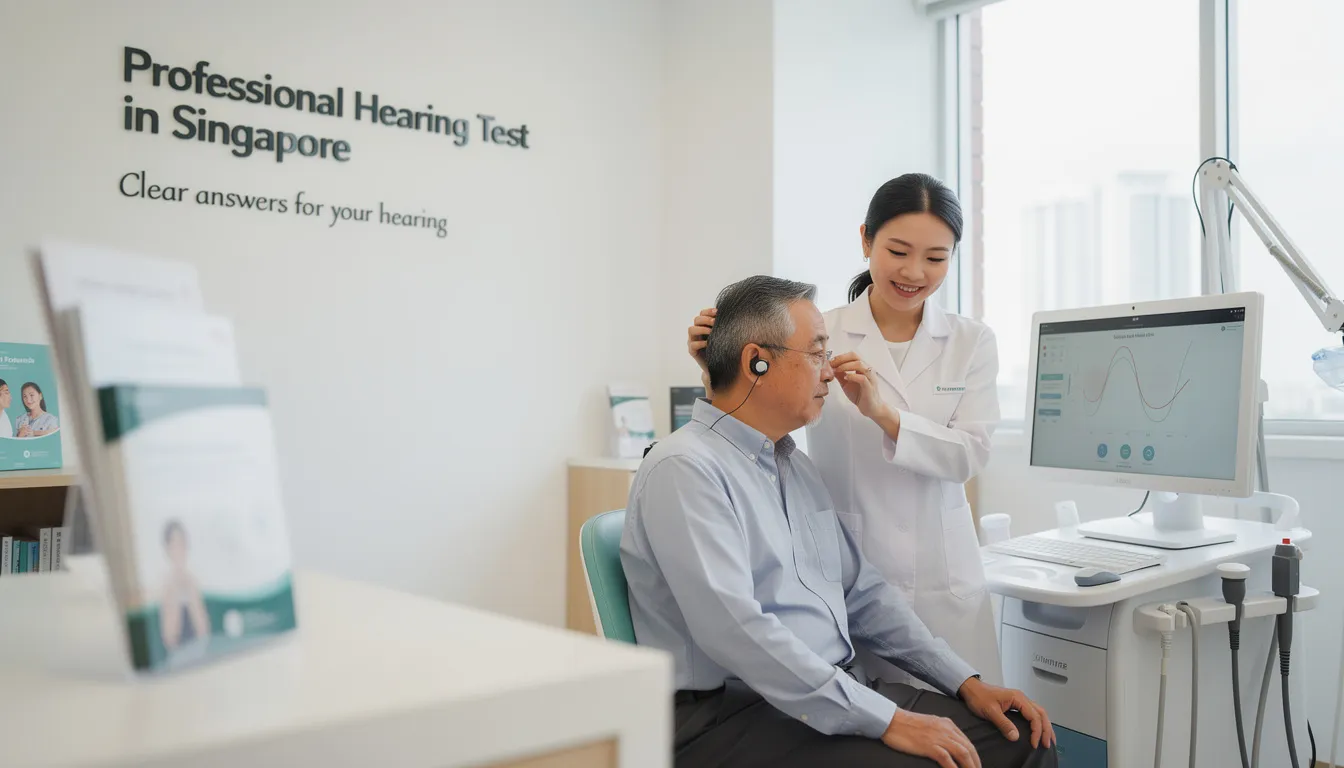
Whether you require a routine hearing assessment, a detailed deafness test, or further evaluation to determine suitable treatment options, we provide clear explanations and personalized guidance based on your test results.
Book your professional hearing test today and take the first step toward better hearing.
What Is a Hearing Test?
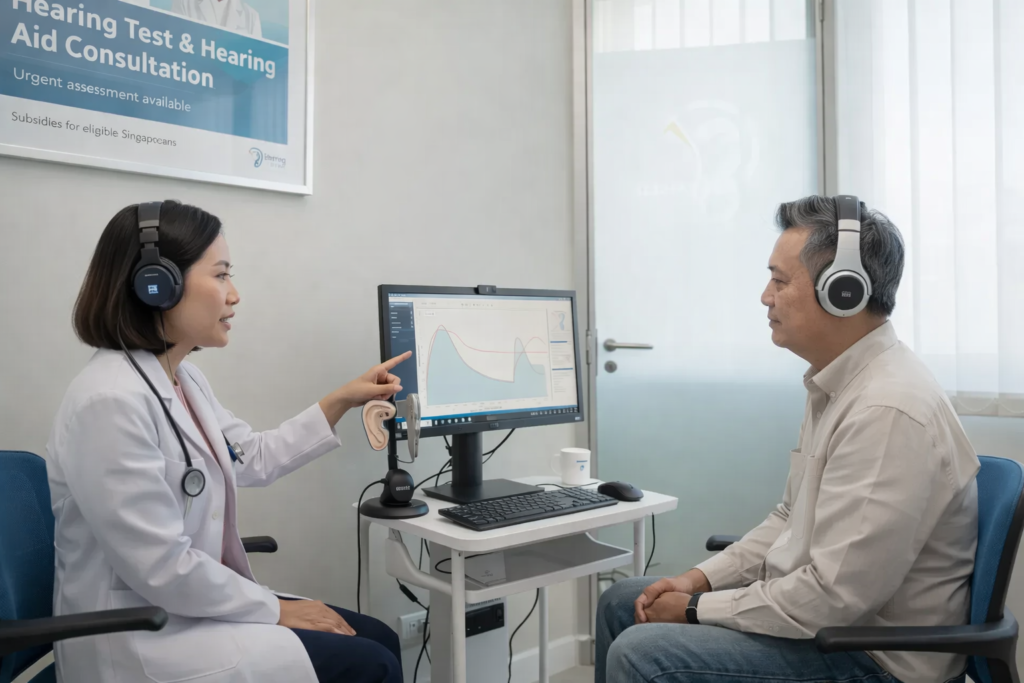
The results of the hearing exam allow us to understand your hearing profile clearly and recommend suitable next steps based on your individual needs.
Types of Hearing Loss
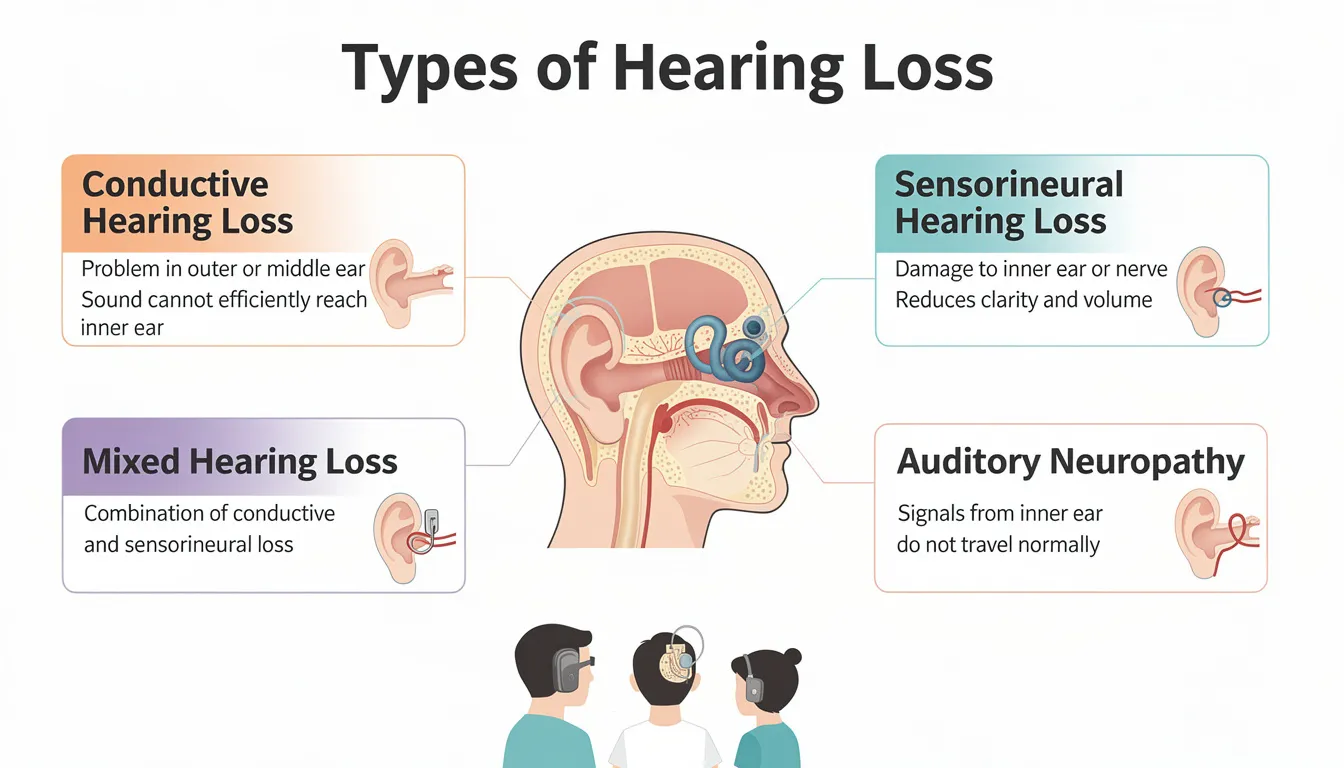
Hearing loss can affect anyone and often develops gradually, making it important to understand the different types and their underlying causes. There are three main categories of hearing loss: conductive hearing loss, sensorineural hearing loss, and mixed hearing loss. Each type involves different parts of the human ear and requires specific approaches for diagnosis and management.
Conductive hearing loss
Conductive hearing loss occurs when sound cannot efficiently travel through the outer ear canal to the middle ear and onward to the inner ear. Common causes include earwax build-up, ear infections, or a perforated eardrum. Problems in the middle ear, such as fluid accumulation or issues with the tiny bones that transmit sound, can also lead to conductive hearing loss. This type of hearing impairment may be temporary or permanent, but in many cases, medical treatment or minor procedures can restore hearing.
Sensorineural hearing loss
Sensorineural hearing loss is related to damage or dysfunction in the inner ear or the hearing nerve (auditory nerve). This form of hearing loss is often permanent and can result from age-related hearing loss, prolonged loud noise exposure, certain medical conditions, or genetic factors. Sensorineural hearing loss affects the ability to hear both soft and high-pitched sounds, and can make it difficult to understand speech, especially in noisy environments. While this type of hearing loss cannot usually be reversed, hearing aids or cochlear implants can help improve communication and quality of life.
Mixed hearing loss
Mixed hearing loss is a combination of both conductive and sensorineural hearing loss, meaning there are issues in both the middle ear and the inner ear or hearing nerve. This can occur when someone with long-standing conductive hearing loss also develops sensorineural hearing loss due to aging or other factors. Treatment for mixed hearing loss may involve a combination of medical, surgical, and technological interventions, such as hearing aids or cochlear implants.
A professional hearing test is essential to determine the type and extent of hearing loss. Basic hearing tests, like pure tone audiometry, measure hearing thresholds across different frequencies and help detect hearing loss early. More advanced assessments, such as auditory brainstem response and otoacoustic emissions, can provide deeper insights into the function of the inner ear and hearing nerve, helping to pinpoint the underlying cause of hearing impairment.
Early detection of hearing loss is crucial, as untreated hearing problems can impact communication, social interaction, and emotional development. Regular health screening and follow-up consultations with a general practitioner or ENT specialist are recommended, especially if you notice common signs such as difficulty hearing in noisy places, needing to increase the volume on devices, or trouble understanding speech.
When Should You Get a Hearing Test?
Clarity and Distortion Issues
Communication Strain
Background Noise Interference
Elevated Volume Settings
Auditory Phantom Sounds (Tinnitus)
What to Expect During Your Hearing Examination?
01
Initial Consultation
Your appointment begins with a brief discussion about your hearing concerns, medical history, noise exposure, and any symptoms such as ringing in the ears or sudden hearing changes. This helps us determine the most appropriate type of hearing screening or diagnostic hearing exam for you.
02
Otoscopic Examination
Before audiometric testing begins, a visual inspection of the ear canal is performed to check for earwax buildup, blockage, or other visible concerns that may affect your hearing results.
03
Audiometric Testing
You will wear headphones while a series of sounds at different frequencies and volumes are played. You will respond whenever you hear a sound. This pure-tone audiometry test measures your hearing thresholds and helps determine whether hearing loss is present. For children, play activities such as placing pegs or cars are often used during the hearing test to keep them engaged and motivated throughout the assessment.
04
Results and Explanation
Once the hearing exam is completed, your results are explained clearly. We review your hearing profile, discuss whether further monitoring is required, and outline possible next steps. If necessary, consultation regarding hearing test and hearing aids options may be provided based on your results. The entire hearing examination typically takes 30 to 45 minutes and is non-invasive and painless.
Why Choose Our Hearing Clinic in Singapore?
Choosing the right clinic for your hearing test in Singapore is an important decision. At Precise Hearing, we focus on delivering accurate assessments, clear communication, and personalised hearing care in a professional and supportive environment.
Experienced Hearing Care Professionals
Our qualified audiologists and hearing care professionals are trained in comprehensive hearing examination procedures and audiometric testing.
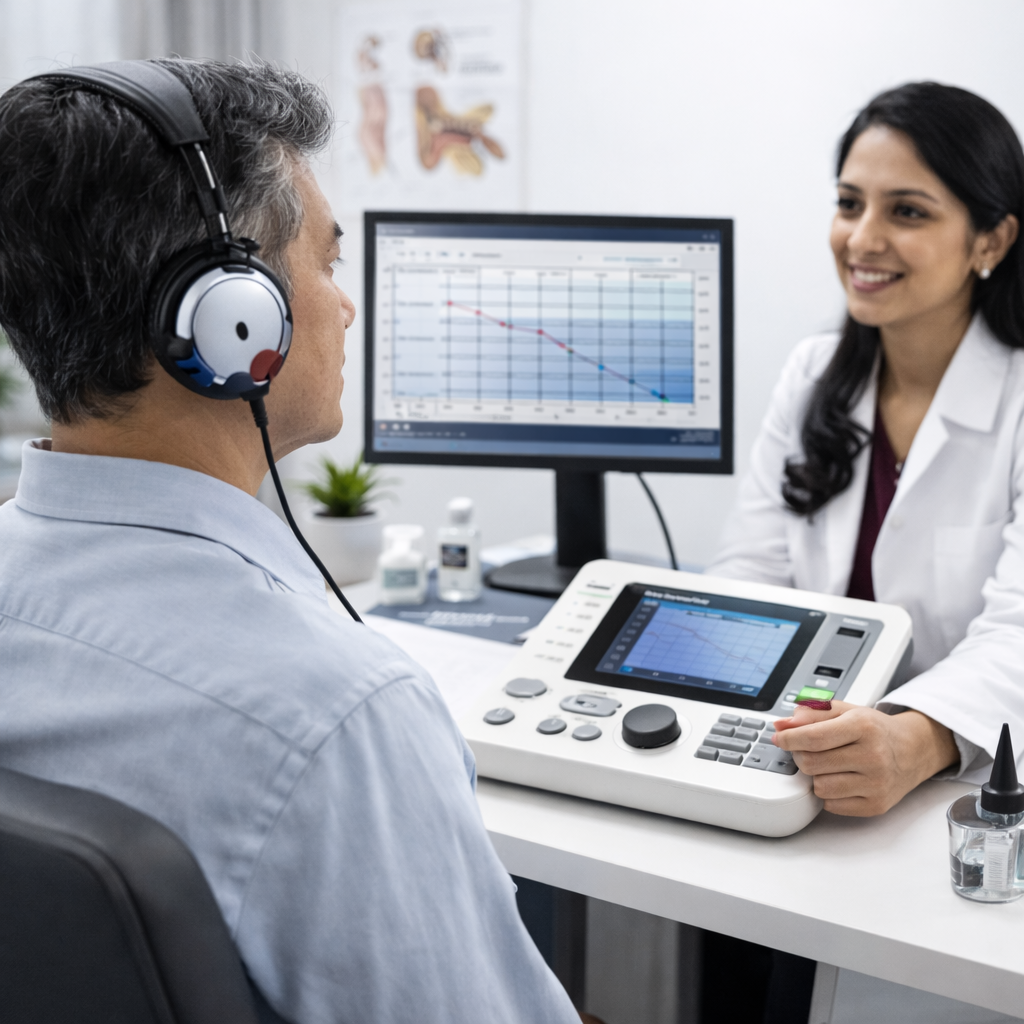
Accurate and Comprehensive Assessments
As an established audiometric testing centre, we provide structured hearing screening and diagnostic hearing exams tailored to your symptoms and concerns.

Clear Explanations and Personalised Guidance
We believe patients should fully understand their hearing health. After your hearing exam, we review your results in detail.
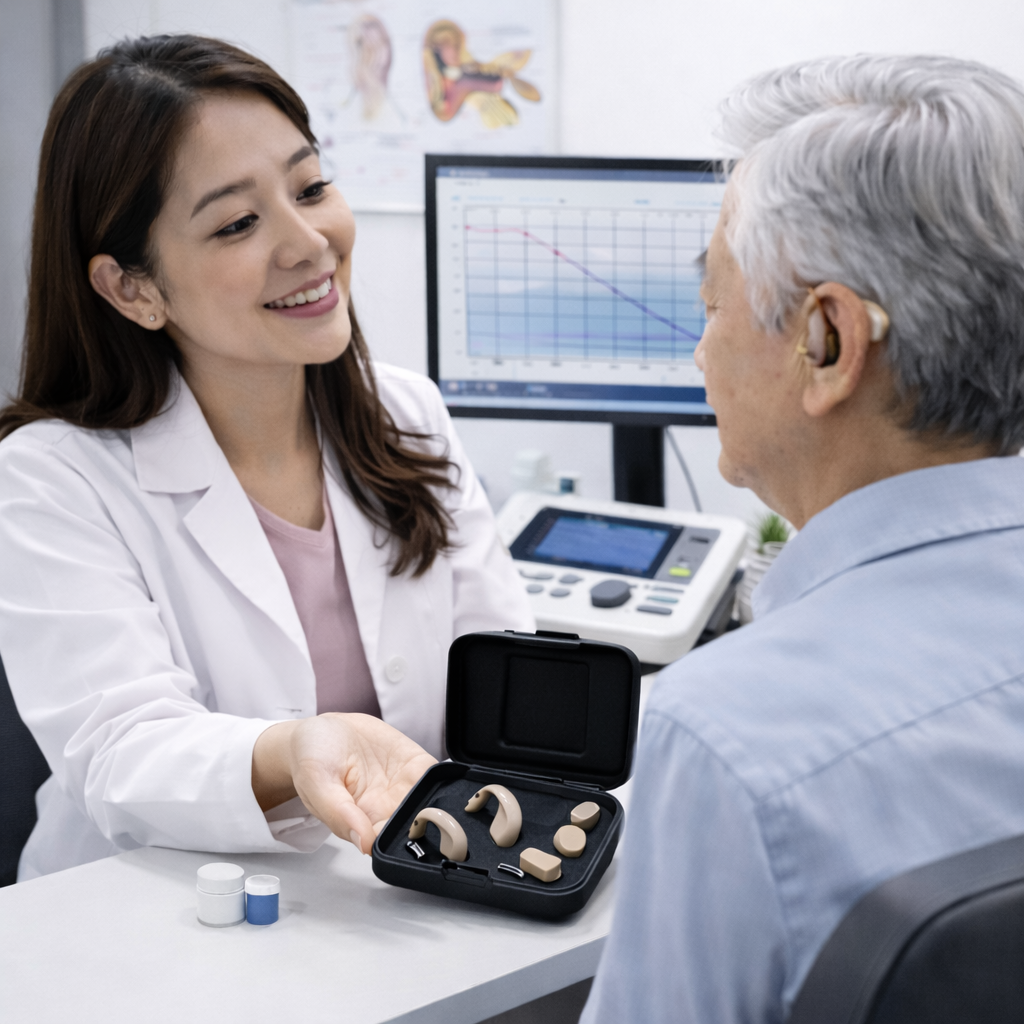
Comfortable and Supportive Environment
Our hearing clinic in Singapore provides a calm and professional setting where your concerns are addressed respectfully. All hearing examinations are non-invasive and conducted using modern audiometric equipment.
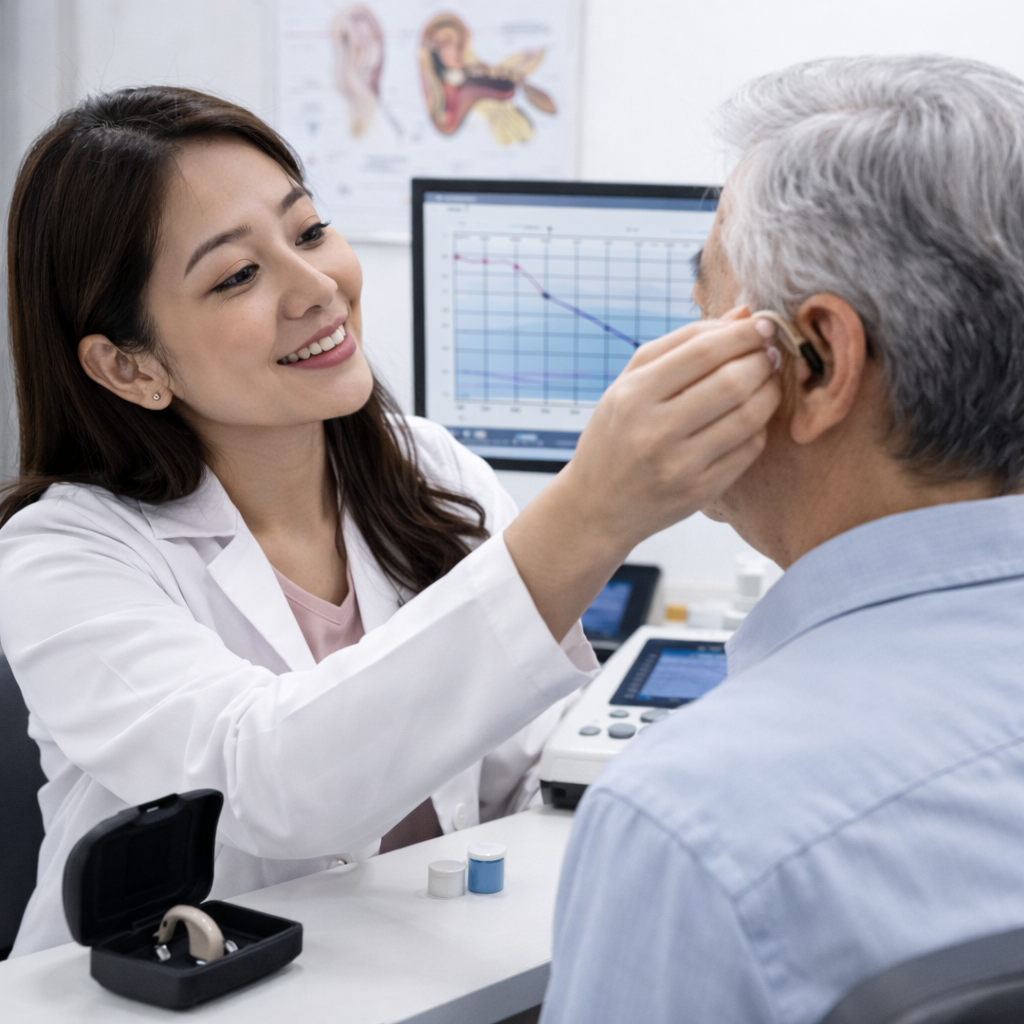
Flexible Scheduling and Modern Clinic Access
We understand that your time is valuable. Our clinic is centrally located with easy access to public transport, ensuring your visit is stress-free. We offer flexible appointment slots, including weekends and after-office hours.

Ongoing Hearing Care Support
If further care is required, we offer continued support to help you manage your hearing health confidently over time.
At Precise Hearing, our goal is to provide trusted, professional hearing services that prioritize clarity, safety, and long-term hearing outcomes.
FAQs
We have compiled answers to the most common questions regarding our audiometric testing procedures and hearing health services in Singapore.
How much does a hearing test cost in Singapore?
Hearing test cost in Singapore can vary depending on the type of hearing examination performed and the clinic providing the service. A basic hearing screening may differ in cost from a comprehensive audiometric testing assessment. Eligible Singaporeans may also benefit from available subsidies or assistance schemes.
Is a hearing test painful?
No. A professional hearing test is completely non-invasive and painless. The hearing exam involves listening to sounds through headphones and responding when you hear them. There are no injections, incisions, or discomfort during audiometric testing.
How long does a hearing examination take?
A full hearing examination typically takes between 30 to 45 minutes. This includes consultation, audiometric testing, speech assessment (if required), and a review of your results.
Do I need a referral for a hearing test in Singapore?
No referral is required. You can book a hearing test in Singapore directly with our clinic at your convenience.
What is the difference between a hearing screening and a hearing exam?
A hearing screening is a preliminary test used to check for possible hearing concerns. A hearing exam, also known as a hearing examination, is a more detailed diagnostic assessment that measures hearing thresholds and speech understanding using structured audiometric testing methods.
When should I consider an emergency hearing test?
If you experience sudden hearing loss, rapid changes in hearing clarity, or severe ear-related symptoms, you should seek medical attention promptly. An emergency hearing test assessment may be recommended depending on your condition and availability.
Will I need hearing aids after my hearing test?
Not necessarily. A hearing test determines your hearing profile and whether hearing loss is present. If hearing impairment is identified, consultation regarding hearing test and hearing aids options may be discussed based on your individual needs and lifestyle.